


All Of Your Scallop Questions Answered
Scallops are a true marvel of the sea, a culinary delight that has been tantalizing seafood lovers for centuries. Known for their sweet, buttery taste and delicious texture, scallops are prized in haute cuisine and home kitchens. Their versatility and appeal make them a favorite choice for chefs and food enthusiasts alike. While scallops may seem simple on the plate, the journey from the ocean floor to your dinner table is rich with variations in types, flavors, and methods of harvest.
A plate full of scallops calls forth memories of beach vacations and special occasion dinners. But before throwing these treasured bivalves on the grill or completing the perfect pan sear, spend a moment learning the basics of scallops. What are they? What’s the difference between bay scallops and sea scallops? What’s the best time of year to buy them? Read on as we dive into the world of scallops (no pun intended).
What Are Scallops?
First things first, what are scallops anyway? Are they a fish, a crustacean, or in a category all their own?
Simply put, a scallop is a type of shellfish.
Specifically, they are a bivalve mollusk, meaning the interior muscle is surrounded by two shells, similar to oysters, mussels and clams.
What Are Scallops Made Of?
As mentioned, a scallop has two shells, top and bottom. Inside this shell is the creamy white or pale ivory adductor muscle that is responsible for closing the shell, which is the part that we eat. There is also the abductor muscle (different from the adductor muscle, the part we eat) which is edible but extra tough. This side muscle peels off easily and is usually removed before cooking.
What Do Scallops Look Like?
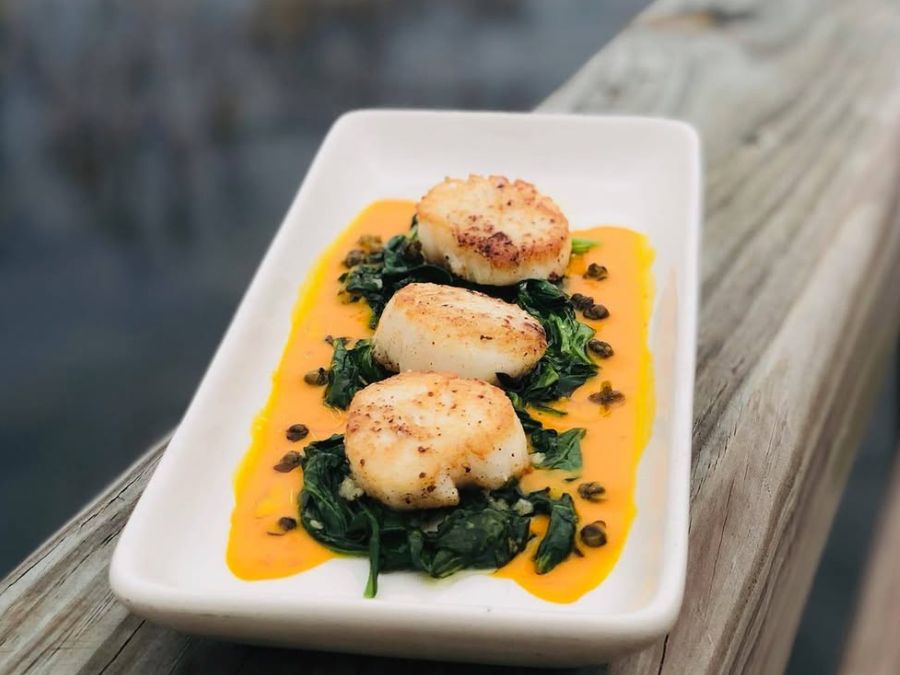
The shell of a scallop has the classic, fanned-out shape so symbolic of maritime décor.
Unlike their other bivalve buddies, scallops are known for their impressive swimming abilities. Using their powerful adductor muscles, scallops can propel themselves through the water by opening and closing their shells.
Scallops also have bright blue eyes. Yes, you read that right: scallops have anywhere from 50 to 100 small, bead-like blue eyes along the edge of their shell’s opening that they use to detect darkness, light and motion.
Where Do Scallops Come From?
Scallops can be found all over the globe. Each region’s scallops are influenced by factors such as water temperature, salinity, depth, and available nutrients. This leads to an extraordinary array of flavors and textures, offering chefs and home cooks a world of culinary possibilities. Here’s an overview of where different scallops are found and the characteristics that make each type special:
• Atlantic Ocean (North America and Europe)
Sea scallops thrive in these cold waters. Their large size and sweet, rich flavor are the result of the nutrient-dense waters found in areas like Georges Bank and the English Channel.
• Eastern United States (Bays and Estuaries)
The shallower and warmer waters of the Eastern United States give the bay scallops their tender texture. The famous Nantucket Bay scallops are renowned for their exceptionally sweet taste.
• Southeastern United States
The vibrant calico scallops thrive in the warmer Atlantic currents. Their smaller size and briny flavor make them a unique culinary choice.
• Northwest Pacific (Japan and China)
Japanese scallops, like the Hokkaido scallop, benefit from the cold, clean waters of the region, developing a pronounced richness in flavor.
• Australia and New Zealand
Both countries offer scallops with tender textures. The unique ecological conditions, such as the pure waters of the Great Barrier Reef, contribute to their mild taste.
• Northern Europe (U.K. and Ireland)
The cold, nutrient rich waters surrounding Scotland and Ireland provide an ideal environment for queen scallops, known for their delicate flavor and smaller size.
• Mediterranean Sea
A wide variety of scallops are found here, influenced by the varying salinity and temperature. They often possess a unique nutty flavor.
• Chile and Argentina
The South American coast offers scallops like the Patagonian scallop, known for its strong sweet flavor, influenced by the mixture of fresh glacier waters with salty sea currents.
• Scandinavia
The deep fjords and cold waters here are home to scallops with a firm texture and clean fresh taste.
• Alaska
In the crisp and pristine Alaskan waters, the weathervane scallop can be found, appreciated for its large size and delicate flavor.
What Are the Most Common Types of Scallops in the U.S.?
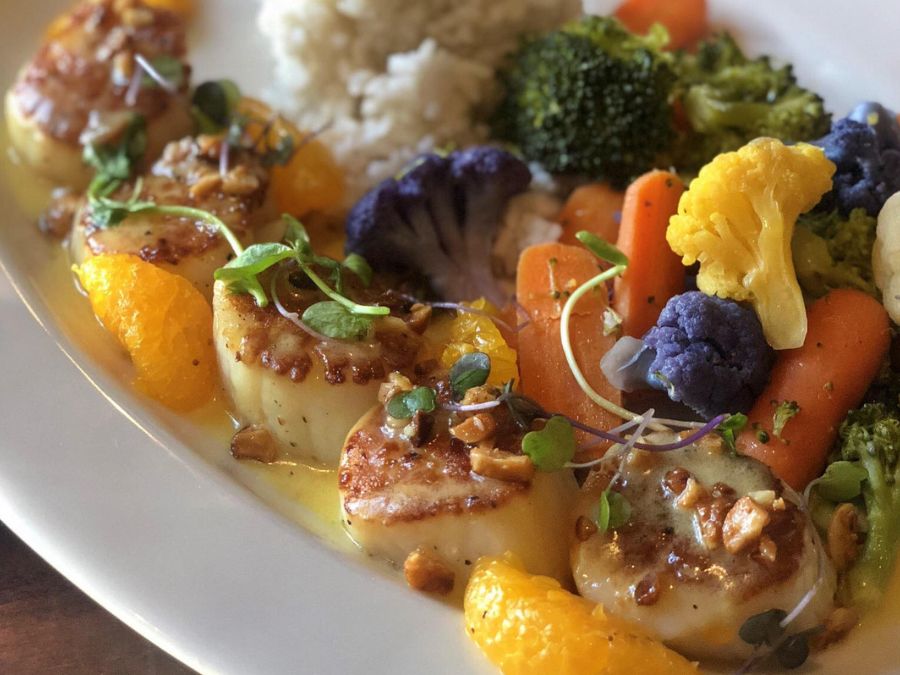
The most common types of scallops consumed in the U.S. are bay scallops and sea scallops.
• Bay Scallops
In the U.S., bay scallops are typically found in bays, estuaries, and shallow waters on the East Coast and in the Gulf of Mexico, living in the reedy seagrasses. These scallops range between 0.5” and 0.75” in diameter and have a delicate texture.
• Sea Scallops
Sea scallops are found in deep, cold ocean waters – up to 200 meters deep – around the world. In the U.S., they are typically caught in the northwest Atlantic Ocean from Newfoundland, Canada to Cape Hatteras, North Carolina. Their diameter varies from 1.5” to 2.0”. The texture is slightly firm and chewy.
When Is Scallop Season?
Scallops reach peak harvest during late fall and early winter. They’re typically available year-round, but seek them out during the last few months of the year for the freshest catch.
What Do Scallops Taste Like?
Now, if you’ve never eaten a scallop before, you are probably curious what they taste like, and we’re here to shed a light on why they’re so popular.
Around here, we call scallops “Sea Candy” because of their natural, incredibly sweet flavor. Scallops have a clean, bright, briny flavor and a succulent, tender texture. However, they are not overly fishy like other mollusks.
If you like crab, shrimp, or lobster, you’ll enjoy the texture and flavor of scallops.
Are Scallops Healthy?
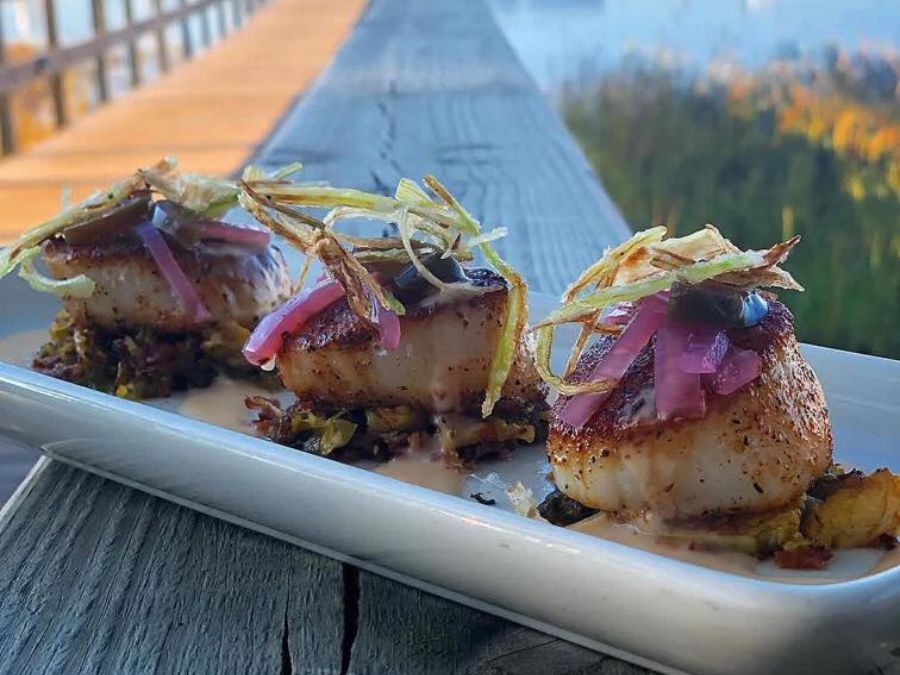
Yes, scallops are healthy, so go ahead and enjoy more of these beautiful shellfish. Scallops are high in protein, low in fat and calories, and full of vitamins and minerals, including vitamin B12, selenium and zinc. According to the USDA Nutritional Database, scallops also provide good amounts of thiamin (vitamin B1), niacin (vitamin B3), iron, and phosphorus, as well as many other vitamins and minerals in smaller concentrations.
Are Scallops a Major Allergen?
Unfortunately, scallops are an allergen, as they belong to the shellfish family. If you’re allergic to seafood and have had reactions like breathing difficulties, a rash, etc. in the past, you should avoid consuming scallops. Also, scallops contain purine, an organic compound. People with kidney issues should avoid it as it can cause stones and may lead to gout.
What To Look for When Buying Scallops
When buying scallops, consider the following factors to ensure that you bring home the best.
• Diver vs. Dayboat Scallops
Diver scallops are sustainable, as they’re harvested manually by divers without harming the sea floor. But this, however, makes them pricier. Dayboat scallops are harvested by a method called dredging, which can be more harmful to the ocean floor and sea creatures.
• Wet vs. Dry Scallops
Dry scallops are better as they’re not soaked in water or chemicals, unlike wet scallops.
Wet-packed scallops are soaked in a phosphate solution to increase their shelf life, but this creates a soapy aftertaste, and no matter the cooking method, it may still fail to mask it.
• Fresh vs. Frozen Scallops
It’s always best to buy fresh scallops with the meat still attached to the shells. Make sure that the shells don’t have cracks. You’ll have to shuck them (similar to clams and oysters) yourself. But if you can’t find these, you may also buy frozen scallops that may be sold with or without shells.
If you’re buying frozen scallops, make sure they don’t have ice crystals. This is an indication they may have thawed in storage. Scallops that have been thawed and refrozen can become mushy and lose their flavor.
• Color
Check if the color of the scallop is white, orange or light pink. If you notice the meat is turning brown, yellow or gray, it means that the scallops aren’t fresh or have necrosis. Eating such scallops won’t be healthy, and the meat quality will be poor.
• Smell
A smell check is crucial when buying scallops. Fresh scallops smell sweet, with a mild hint of the salty aroma of the sea. That will take your meal to the next level. If you sense a strong fishy odor or a pungent smell, do not buy these stale scallops.
• Texture
Make sure the scallops are firm to the touch and feel freshly washed. A sticky, slimy surface or mushy texture indicates poor quality and staleness.
Note: We are not fans of purchasing fresh scallops out of their shells as it affects their freshness. If you choose to buy them without shells, then we recommend frozen scallops.
What Are Scallop Sizes?
When it comes to cooking with scallops, size matters. Scallops are sized by the number of pieces per pound.
If you’re shopping at your local fish market, you’ll notice that bags of scallops will have a label like “U-10.” Scallops are packed by the pound and that “U” which stands for under, signifies how many of the mollusks make up a pound.
U-10 means there are under 10 scallops in a pound, while U-40 means there are about 40 scallops in a pound. With two major classes of scallops, bay scallops and sea scallops, grading by size is the easiest way to determine what class a scallop falls into.
How to Store Scallops
If you are not using your scallops immediately, then proper storage is essential to food safety and to maintain their quality and freshness.
• Keep them cold: Scallops are considered a TCS food (time/temperature control for safety), so they need to be received at 40 degrees or below. If you have fresh scallops that you won’t be using within a day or two, you can also freeze them.
• Use airtight containers: When storing scallops in the refrigerator, make sure to use an airtight container or a resealable plastic bag to prevent the scallops from drying out or absorbing unwanted flavors.
• Don’t store them for too long: Depending on the freshness of the scallops, they can be stored in the refrigerator for up to two days. If you’re unsure how fresh your scallops are, it’s best to use them within a day of purchasing them.
• Check for any signs of spoilage: Before cooking scallops, always check them for any signs of spoilage, such as strong odor, slimy texture, or discoloration. If you notice any of these signs, discard the scallops immediately.
How Do You Prepare Scallops for Cooking?
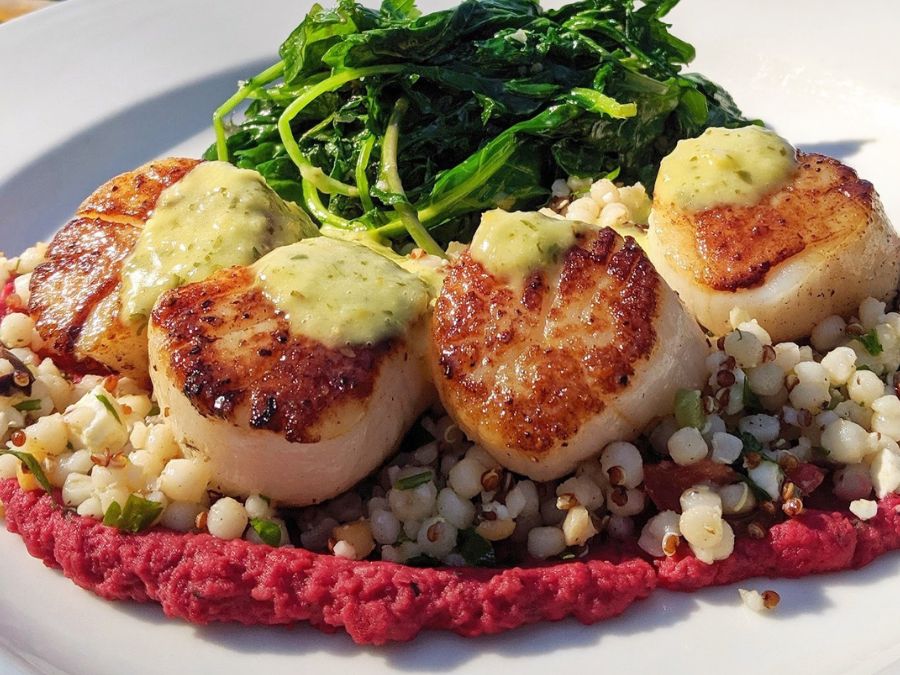
If there is one thing to know about how to cook scallops, it’s that moisture is the enemy. You should always pat your scallops dry with a paper towel to rid them of any excess moisture before searing. This ensures you will get a beautiful caramelization on each side.
Should You Season Scallops?
After your scallops are nice and dry, it’s time to season them. You never want to overpower the sweet flavor of this shellfish, so it’s best to keep things simple. Some salt and fresh cracked black pepper are all you need. However, you can also add a dash of garlic powder or incorporate ingredients like dry white wine or maple syrup to accentuate their natural sweetness.
How Can You Cook Scallops?
When cooking scallops, it’s important to note that methods differ slightly for bay and sea scallops. With sea scallops’ chewier texture, they tend to be better with searing, which creates a just-right crispy exterior. (Whatever your pan preference should work just fine.) Sweeter, more delicate bay scallops cook quickly and are best for quick sautes, broiling or gentle poaching.
Grilling yields delicious results for both bivalves, just be sure to use skewers to not lose any succulent scallops and to facilitate easy flipping. Always pat scallops dry before tossing them on the grill so they can actually sear. Be careful of overcooking your scallops, as they can quickly become rubbery.
When prepared properly, both scallop varieties offer tender, sweet, yet briny goodness and shine in dishes with simple preparation.
Scallops: All You Need to Know – FAQs
Can you eat scallops raw?
Yes, you can eat scallops raw to enjoy the natural flavors of the sea. However, you should only eat raw scallops at specialty restaurants or from a reputable seafood seller.
How can you store scallops?
You can safely store scallops in an air-tight container and keep them in a cold place at 38-40° F if you cook them within a day of buying. If you want to store them beyond that, you must freeze them, though it’s best to cook them within two days.
How many minutes should scallops be cooked?
Typically, scallops are cooked for two minutes on one side and anywhere from 30 seconds to two minutes on the other depending on the size. When the scallops are done, they won’t feel firm, rather they’ll be springy to the touch. You’ll want to remove them from the pan before they are fully cooked so that they don’t get overcooked.
Can scallops be reheated?
Yes, but be careful not to cook them further. Heat them until they’re just warm enough to eat.
Are frozen scallops good?
Yes, frozen scallops are safe to consume, as long as they have been frozen and defrosted properly. You may not always be able to lay your hands on fresh scallops all the time. In that case, frozen scallops can be very well used in your recipes.
With their delicious flavor and versatile nature, scallops make an easy addition to your menu. They can be used in a variety of dishes, including scallop ceviche, scallop risotto, and even scallop tacos. Thanks to their creamy, mild taste and delicate texture, scallops have a wide appeal, even with consumers who don’t normally eat seafood.


